Ingredient Glossary
Common Name:
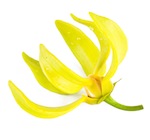
Aloe Vera Juice
INCI Name: Aloe Barbadensis Juice
Is It Natural:Yes
Why We Use It:Aloe very has many beneficial properties for the skin, including moisturizing and healing UV damage.
How It's Made:Aloe vera juice is made by pressing the leaves of the aloe vera plant.
Potential Sensitivities:Topical use of aloe vera juice is safe for most people, but adverse reactions can occur. Disclaimer
Common Name:
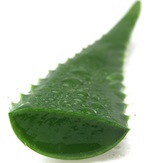
Beeswax
INCI Name: Cera Alba
Is It Natural:Yes
Why We Use It:Beeswax is an amazing skin softener and protectant. It helps lock in moisture and is tough enough to last through multiple hand washings.
How It's Made:Beeswax is made by worker bees, of course. When honeycomb is harvested, the honey is extracted and the remaining empty honeycomb is melted and filtered to yield beeswax.
Potential Sensitivities:Topical use of beeswax is safe for most people, but adverse reactions can occur. Disclaimer
Common Name:
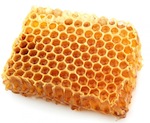
Bergamot Essential Oil
INCI Name: Citrus Aurantium Bergamia Fruit Oil
Is It Natural:Yes
Why We Use It:Bergamot essential oil doesn't offer much by way of benefit to your skin, but it does smell amazing and is completely natural.
How It's Made:Our bergamot oil is steam distilled.
Potential Sensitivities:Topical use of bergamot essential oil is safe for most people when diluted properly, but adverse reactions can occur. Disclaimer
Common Name:
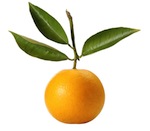
Bitter Almond Essential Oil
INCI Name: Prunus Amygdalus Amara Kernel Oil
Is It Natural:Yes
Why We Use It:While bitter almond essential oil doesn't do anything special for your skin, it smells amazing!
How It's Made:Bitter almond oil is steam distilled from the bitter almond kernel.
Potential Sensitivities:Topical use of bitter almond oil is safe for most people when diluted properly, but adverse reactions can occur. Disclaimer
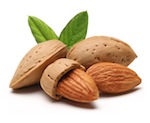
Common Name:
Black Willow Bark Extract
INCI Name: Salix Nigra Extract
Is It Natural:Yes
Why We Use It:Black willow bark extract is very soothing for the skin. It's also one of the key ingredients in our natural preservative system.
How It's Made:Black willow bark extract is made processing the bark with water or steam and then evaporating the excess water.
Potential Sensitivities:Topical use of black willow bark extract is safe for most people when diluted properly, but adverse reactions can occur. Disclaimer
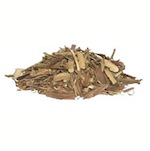
Common Name:
Calendula Oil
INCI Name: Calendula Officinalis Flower Oil
Is It Natural:Yes
Why We Use It:Calendula has been used for skin care for thousands of years. It's a natural antioxidant and has some great healing properties.
How It's Made:Our calendula oil is made by steeping calendula petals in olive oil.
Potential Sensitivities:Allergies and sensitivities to calendula oil are quite rare. People who are allergic to marigold may also be allergic to calendula. Disclaimer

Common Name:
Carrot Seed Oil
INCI Name: Daucus Carota Oil
Is It Natural:Yes
Why We Use It:Carrot seed oil has several anti-oxidant and anti-aging properties. It's also one of the key ingredients in our natural preservative system.
How It's Made:Carrot seed oil is steam distilled.
Potential Sensitivities:Allergies and sensitivities to carrot seed oil are quite rare. People who are allergic to marigold may also be allergic to calendula. Disclaimer
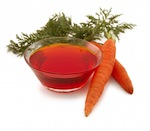
Common Name:
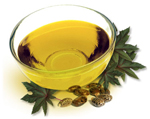
Castor Oil
INCI Name: Ricinus Communis Seed Oil
Is It Natural:Yes
Why We Use It:Castor oil is a great skin conditioner and moisturizer, with a low risk for sensitivity. It also has a great texture and absorbs easily into the skin, make it a great addition to our moisturizers.
How It's Made:Our castor oil is made by heating the castor seed and pressing the oil out of it.
Potential Sensitivities:While allergies and sensitivities to castor oil are possible, they are extremely rare. Disclaimer
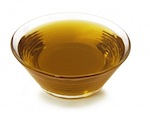
Common Name:
Castor Oil (Saponified)
INCI Name: Ricinus Communis Seed Oil
Is It Natural:Yes
Why We Use It:Castor oil is a great skin conditioner and moisturizer, with a low risk for sensitivity. It's one of the ingredients in soap that creates a thick lather. It also has some mild fixative properties, which means it can help essential oils last longer.
How It's Made:Our castor oil is made by heating the castor seed and pressing the oil out of it.
Potential Sensitivities:While allergies and sensitivities to castor oil are possible, they are extremely rare. Disclaimer
Common Name:
Cinnamin Essential Oil
INCI Name: Cinnamomum zeylanicum Leaf Oil
Is It Natural:Yes
Why We Use It:Cinnamon essential oil doesn't offer much by way of benefit to your skin, but it does smell amazing and is completely natural.
How It's Made:Our cinnamon oil is steam distilled.
Potential Sensitivities:Topical use of cinnamon essential oil is safe for most people when diluted properly, but adverse reactions can occur. Disclaimer
Common Name:
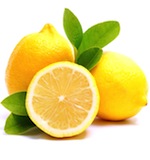
Citric Acid
INCI Name: Citric Acid
Is It Natural:Yes
Why We Use It:Citric Acid helps slough off dead skin cells and speed new cell turnover. The promotion of new cell growth can help alleviate the appearance of age spots, acne scars, small wrinkles and areas of uneven tone and texture.
How It's Made:In small quantities, Citric Acid is extracted from citrus fruits such as oranges. Large scale production is done through a fermentation process using a species of fungus, which converts sugar into critic acid.
Potential Sensitivities:Topical use of citric acid is safe for most people when diluted properly, but adverse reactions can occur. Disclaimer
Common Name:
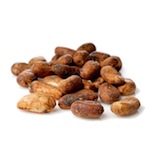
Cocoa Butter (Saponified)
INCI Name: Theobroma Cacao Seed Butter
Is It Natural:Yes
Why We Use It:Cocoa butter is an excellent skin moisturizer and is loaded with antioxidants and vitamins. It also helps make our soap harder so that it lasts longer.
How It's Made:Cocoa butter is made by fermenting, roasting, and splitting cacao beans. The result is something called chocolate liquor (pure chocolate), which is then pressed to separate the cocoa butter from the cocoa solids.
Potential Sensitivities:While allergies and sensitivities to cocoa butter are possible, they are extremely rare. Disclaimer
Common Name:
Coconut Oil
INCI Name: Cocos Nucifera Oil
Is It Natural:Yes
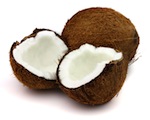
Why We Use It:We use coconut oil because it's an excellent skin moisturizer and conditioner. Our coconut oil is not refined, bleached, or deodorized.
How It's Made:Our coconut oil is made by pressing the pulp of the coconut fruit, and using a solvent to extract the oil.
Potential Sensitivities:While allergies and sensitivities to coconut oil are possible, they are fairly rare. Disclaimer
Common Name:
Coconut Oil (Saponified)
INCI Name: Cocos Nucifera Oil
Is It Natural:Yes
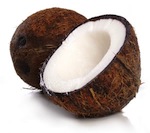
Why We Use It:We use coconut oil because it's an excellent skin moisturizer and conditioner. It can have the opposite effect and dry your skin out in high concentrations, which is why we don't put too much in our soap. Our coconut oil is not refined, bleached, or deodorized.
How It's Made:Our coconut oil is made by pressing the pulp of the coconut fruit, and using a solvent to extract the oil.
Potential Sensitivities:While allergies and sensitivities to coconut oil are possible, they are fairly rare. Disclaimer
Common Name:
Cultured Goat Milk
INCI Name: Cultured Goat Milk
Is It Natural:Yes
Why We Use It: Cultured goat milk makes for a creamier lather, and the added acidity from cultured milk makes it a good choice for combination skin.
How It's Made:Our cultured goat milk is made by adding our buttermilk culture to the raw goat milk and letting it culture. Our goat milk comes from a farm less than 10 miles from our facility. We regularly inspect the conditions on the farm, and the goats are well cared for and very happy!
Potential Sensitivities:While allergies and sensitivities to goat milk are possible, they are extremely rare. In fact most people who have sensitivities to cow milk are not sensitive to goat milk. Disclaimer

Common Name:
DMAE
INCI Name: Dimethylaminoethanol
Is It Natural:Yes
Why We Use It: DMAE helps tighten the skin and improve skin elasticity.
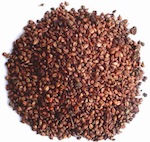
How It's Made:Our DMAE is derived from grape seed extract.
Potential Sensitivities:While allergies and sensitivities to DMAE are possible, they are extremely rare. . Disclaimer
Common Name:
Emu Oil
INCI Name: Emu Oil
Is It Natural:Yes
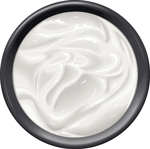
Why We Use It:Emu oil has a ton of really awesome properties that make it a great addition to our moisturizers. We find it's especially good for problem skin.
How It's Made:Emu oil is a natural byproduct of emu meat production. When the emu is slaughtered the fat around the spine is collected and impurities are filtered out to yield emu oil.
Potential Sensitivities:While allergies and sensitivities to emu oil are possible, they are extremely rare. Disclaimer
Common Name:
Emu Oil (Saponified)
INCI Name: Emu Oil
Is It Natural:Yes
Why We Use It:Emu oil has a ton of really awesome properties that make it a great addition to our soap. We find it's especially good for problem skin.
How It's Made:Emu oil is a natural byproduct of emu meat production. When the emu is slaughtered the fat around the spine is collected and impurities are filtered out to yield emu oil.
Potential Sensitivities:While allergies and sensitivities to emu oil are possible, they are extremely rare. Disclaimer
Common Name:
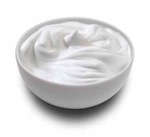
Emulsifying Wax
INCI Name: Emulsifying Wax NF
Is It Natural:Yes
Why We Use It:Emulsifying wax is what allows us to blend water-based ingredients (like aloe vera juice) and oil-based ingredients (like coconut oil) together and keep them together. In mayonnaise, the egg yolks act as an emulsifier for the oil and vinegar. Without an emulsifier, lotion (and mayonnaise) would separate instead of being a consistent and stable blend. The "NF" in the INCI name refers to the National Formulary. This just means that the wax we use conforms to the standards set forth by the National Formulary.
How It's Made:Emulsifying wax is made by treating vegetable waxes with a vegetable detergent (usually made from coconut or palm oil).
Potential Sensitivities:While allergies and sensitivities to emulsifying wax are possible, they are extremely rare. Disclaimer
Common Name:
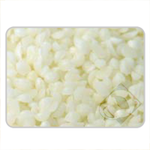
Eucalyptus Essential Oil
INCI Name: Eucalyptus Globulus Leaf Oil
Is It Natural:Yes
Why We Use It:Eucalyptus essential oil doesn't offer much by way of benefit to your skin, but it does smell amazing and is completely natural.
How It's Made:Our eucalyptus oil is steam distilled.
Potential Sensitivities:Topical use of eucalpytus essential oil is safe for most people when diluted properly, but adverse reactions can occur. Disclaimer
Common Name:
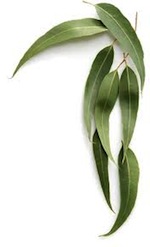
Glycerin
INCI Name: Glycerol
Is It Natural:Yes
Why We Use It: Glycerin is a fantastic skin moisturizer. When used in the right concentration, it naturally draws moisture out of the air and makes it available for your skin.
How It's Made:Glycerin is made through the saponification of vegetable oils. Typically, salt is added to the mixture and the glycerin separates and floats to the top, where it is collected.
Potential Sensitivities:While allergies and sensitivities to glycerin are possible, they are extremely rare. Disclaimer
Common Name:
Goat Milk
INCI Name: Goat Milk
Is It Natural:Yes
Why We Use It: Milk has been used as a cleanser and beauty aid for centuries. Goat milk, however, has special qualities—some that are still not fully understood. Fresh goat milk is loaded with vitamins (D, B6, C, E), milk sugars, proteins, & butterfat. Goat milk also contributes a thicker lather to the soap than water (the common alternative), and is a natural source of Alpha-hydroxy acids. Recent studies indicate that Alpha-hydroxy acids rejuvenate your skin making you look and feel smoother and younger.
How It's Made:Our goat milk comes from a farm less than 10 miles from our facility. We regularly inspect the conditions on the farm, and the goats are well cared for and very happy!
Potential Sensitivities:While allergies and sensitivities to goat milk are possible, they are extremely rare. In fact most people who have sensitivities to cow milk are not sensitive to goat milk. Disclaimer
Common Name:
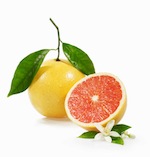
Grapefruit Essential Oil
INCI Name: Citrus Grandis Peel Oil
Is It Natural:Yes
Why We Use It:Grapefruit essential oil doesn't offer much by way of benefit to your skin, but it does smell amazing and is completely natural.
How It's Made:Our grapefruit oil is steam distilled.
Potential Sensitivities:Topical use of grapefruit essential oil is safe for most people when diluted properly, but adverse reactions can occur. Disclaimer
Common Name:
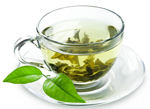
Green Tea Extract
INCI Name: Camellia Sinensis Extract
Is It Natural:Yes
Why We Use It:Green tea extract has strong anti-oxidant properties and my help slow down the aging process.
How It's Made:Green tea extract is made by steeping green tea leaves in water and evaporating excess water.
Potential Sensitivities:Topical use of green tea extract is safe for most people when diluted properly, but adverse reactions can occur. Disclaimer
Common Name:
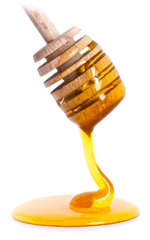
Honey
INCI Name: Honey
Is It Natural:Yes
Why We Use It: Honey has been used as a skin moisturizer for thousands of years, and more recently studies have suggested that it may have antimicrobial and healing properties, though you're unlikely to receive those benefits in soap. It does make for a nice lather and a moisturizing bar.
How It's Made:We think it's really amazing how bees produce honey. We use natural clover honey in our soap.
Potential Sensitivities:Honey is generally well tolerated, but some individuals may experience allergies related to honey or the pollen in it. Disclaimer
Common Name:
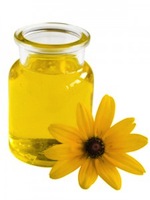
Jojoba Oil
INCI Name: Simmondsia Chinensis Seed Oil
Is It Natural:Yes
Why We Use It: Despite its name, jojoba oil is actually a type of natural liquid wax. It's a great moisturizer and helps protect the skin. It also has some natural antibacterial properties.
How It's Made:The jojoba plant is native to Arizona & California. jojoba oil is obtained by pressing the seeds of the plant.
Potential Sensitivities:Jojoba oil is safe for topical use by most people, but adverse reactions can occur. Disclaimer
Common Name:
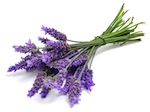
Lavender Essential Oil
INCI Name: Lavendula Angustifolia Oil
Is It Natural:Yes
Why We Use It:Lavender oil was not well studied in 1997 when we first began using it, but it's gotten a lot of attention in the last decade or so. It's now thought that lavender oil may have some healing properties for your skin. Having said that, you're unlikely to get any of those benefits in a soap or lotion, but it smells wonderful and is very relaxing.
How It's Made:Our lavender oil is steam distilled.
Potential Sensitivities:Topical use of lavender essential oil is safe for most people when diluted properly, but adverse reactions can occur. Disclaimer
Common Name:
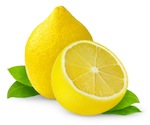
Lemon Essential Oil
INCI Name: Citrus Medica Limonum Peel Oil
Is It Natural:Yes
Why We Use It:Lemon essential oil doesn't offer much by way of benefit to your skin, but it does smell amazing and is completely natural.
How It's Made:Our lemon oil is steam distilled.
Potential Sensitivities:Topical use of lemon essential oil is safe for most people when diluted properly, but adverse reactions can occur. Disclaimer
Common Name:
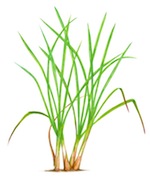
Lemongrass Essential Oil
INCI Name: Cymbopogon Schoenanthus Oil
Is It Natural:Yes
Why We Use It:Lemongrass essential oil doesn't offer much by way of benefit to your skin, but it does smell amazing and is completely natural.
How It's Made:Our lemongrass oil is steam distilled.
Potential Sensitivities:Topical use of lemongrass essential oil is safe for most people when diluted properly, but adverse reactions can occur. Disclaimer
Common Name:
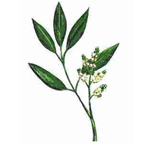
Litsea Essential Oil
INCI Name: Litsea Cubeba Fruit Oil
Is It Natural:Yes
Why We Use It:Litsea essential oil doesn't offer much by way of benefit to your skin, but it does smell amazing and is completely natural.
How It's Made:Our litsea oil is steam distilled.
Potential Sensitivities:Topical use of litsea essential oil is safe for most people when diluted properly, but adverse reactions can occur. Disclaimer
Common Name:
MSM
INCI Name: Methylsulfonylmethane
Is It Natural:Yes
Why We Use It:MSM occurs naturally in many foods (onions, garlic, asparagus, cabbage, broccoli, etc) and is an important component in joint health. We use it in our lotions for its soothing and anti-inflammatory properties.
How It's Made:Our MSM is made from vegetable sources.
Potential Sensitivities:Topical use of MSM is safe for most people when diluted properly, but adverse reactions can occur. Disclaimer
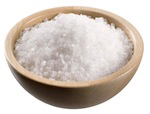
Common Name:
Neem Oil (Saponified)
INCI Name: Melia Azadirachta Seed Oil
Is It Natural:Yes
Why We Use It:Neem is actually a skin softener. It also has some antibacterial properties (but it's unlikely to have an antibacterial effect in soap).
How It's Made:Neem is a fast-growing tree native to India. Neem oil is a vegetable oil pressed from the fruits and seeds of the Neem tree.
Potential Sensitivities:Skin Sensitivities are extremely rare. If using undiluted it should be tested on a small patch of skin just to be sure. Disclaimer
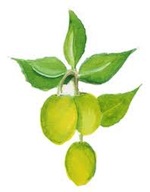
Common Name:
Oat Flour
INCI Name: Avena Sativa Kernel Flour
Is It Natural:Yes
Why We Use It:Oats have many benefits for your skin. They help other moisturizing ingredients do a better job, they have pH balancing properties, and oat flour is a very mild exfoliant—mild enough to use on your face.
How It's Made:Our oat flour is made by grinding oats into flour.
Potential Sensitivities:Topical use of oat flour is safe for most people when diluted properly, but adverse reactions can occur. Disclaimer
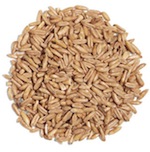
Common Name:
Olive Oil
INCI Name: Olea Europaea Oil
Is It Natural:Yes
Why We Use It:We use food-grade olive oil because it offers many benefits for your skin, including anti-inflammatory and moisturizing properties. In our moisturizers, we use extra virgin olive oil because it has a much lighter feel and offers more nutrients to your skin than other grades of olive oil.
How It's Made:Extra virgin olive oil is made by collecting the oil from the first pressing of the olive fruit.
Potential Sensitivities:While allergies and sensitivities to olive oil are possible, they are extremely rare. Disclaimer
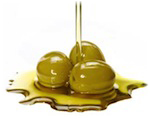
Common Name:
Olive Oil (Saponified)
INCI Name: Olea Europaea Oil
Is It Natural:Yes
Why We Use It:We use food-grade olive oil because it offers many benefits for your skin, including anti-inflammatory and moisturizing properties. In our soap, we use pomace olive oil because it has more components called unsaponifiables. This is just a fancy way of saying a lot of the nutrients in pomace olive oil remain in the finished soap. If we used virgin olive oil, most of it would turn into soap, and so would not offer the same benefit to your skin.
How It's Made:Pomace olive oil is made by pressing the pits of the olive fruit after they have already been pressed several times.
Potential Sensitivities:While allergies and sensitivities to olive oil are possible, they are extremely rare. Disclaimer
Common Name:
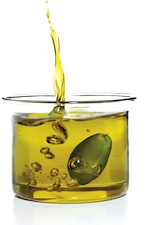
Patchouli Essential Oil
INCI Name: Pogostemon Cablin Leaf Oil
Is It Natural:Yes
Why We Use It:Patchouli is a scent that was very popular in the late 1960s, but patchouli also has some great benefits for your skin, in particular problem skin.
How It's Made:Our patchouli oil is steam distilled.
Potential Sensitivities:Topical use of patchouli essential oil is safe for most people when diluted properly, but adverse reactions can occur. Disclaimer
Common Name:
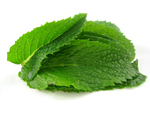
Peppermint Essential Oil
INCI Name: Mentha Piperita Oil
Is It Natural:Yes
Why We Use It:Peppermint oil contains menthone and menthyl esters. The menthol activates cold-sensitive receptors in the skin and mucosal tissues making you feel cool and tingly. The aroma of peppermint has been found to enhance memory. It may assist in acne treatment for some individuals.
How It's Made:Our peppermint oil is steam distilled.
Potential Sensitivities:Topical use of peppermint essential oil is safe for most people when diluted properly, but adverse reactions can occur. Disclaimer
Common Name:
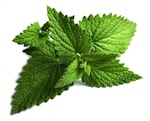
Red (or Rooibos) Tea Extract
INCI Name: Aspalathus Linearis Extract
Is It Natural:Yes
Why We Use It:Red tea extract has strong anti-oxidant properties and my help slow down the aging process.
How It's Made:Red tea extract is made by steeping red tea leaves in water and evaporating excess water.
Potential Sensitivities:Topical use of red tea extract is safe for most people when diluted properly, but adverse reactions can occur. Disclaimer
Common Name:
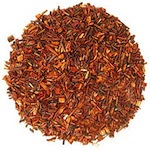
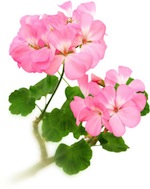
Rose Geranium Essential Oil
INCI Name: Pelargonium Graveolens Flower Oil
Is It Natural:Yes
Why We Use It:Rose geranium essential oil doesn't offer much by way of benefit to your skin, but it does smell amazing and is completely natural.
How It's Made:Our rose geranium oil is steam distilled.
Potential Sensitivities:Topical use of rose geranium essential oil is safe for most people when diluted properly, but adverse reactions can occur. Disclaimer
Common Name:
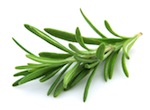
Rosemary Essential Oil
INCI Name: Rosmarinus Officinalis Leaf Extract
Is It Natural:Yes
Why We Use It:Rich in antioxidants such as camosic acid and rosmarinic acid aiding the inhabitation of free radicals. It's thought in aromatherapy that rosemary essential oil helps keep you focused.
How It's Made:Our rosemary oil is steam distilled.
Potential Sensitivities:Topical use of rosemary essential oil is safe for most people when diluted properly, but adverse reactions can occur. Disclaimer
Common Name:
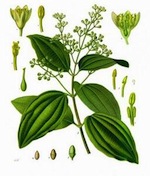
Rosewood Essential Oil
INCI Name: Aniba Rosaeodora Oil
Is It Natural:Yes
Why We Use It:Rosewood essential oil doesn't offer much by way of benefit to your skin, but it does smell amazing and is completely natural.
How It's Made:Our rosewood oil is steam distilled.
Potential Sensitivities:Topical use of rosewood essential oil is safe for most people when diluted properly, but adverse reactions can occur. Disclaimer
Common Name:
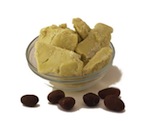
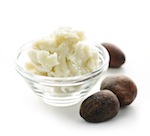
Shea Butter
INCI Name: Butyrospermum Parkii Butter
Is It Natural:Yes
Why We Use It:Shea butter has lots of awesome benefits for your skin. It's really moisturizing, won't clog your pores, and it also helps protect your skin from the elements. It's especially good for stubbornly dry skin, like on your elbows and feet.
How It's Made:Our shea butter is made by cracking the shell of the karite nut, roasting the nuts, and then kneading with water to separate the oil. Our shea butter is fair trade and is unrefined, which leaves more of the nutrients available for your skin.
Potential Sensitivities:While allergies and sensitivities to shea butter are possible, they are fairly rare. Some people with tree nut allergies are also allergic to shea butter. Disclaimer
Common Name:
Shea Butter (Saponified)
INCI Name: Butyrospermum Parkii Butter
Is It Natural:Yes
Why We Use It:Shea butter is a fantastic moisturizer. When used in soap, shea butter is thought to persist on the skin after rinsing. It's not been studied well enough to say this conclusively, but if you try any of our shea butter recipes we think you'll agree—they're some of the most moisturizing soap you can find.
How It's Made:Our shea butter is made by cracking the shell of the karite nut, roasting the nuts, and then kneading with water to separate the oil. Our shea butter is fair trade and is unrefined, which leaves more of the nutrients available for your skin.
Potential Sensitivities:While allergies and sensitivities to shea butter are possible, they are fairly rare. Some people with tree nut allergies are also allergic to shea butter. Disclaimer
Common Name:
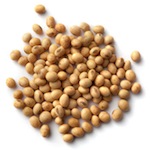
Soybean Oil (Saponified)
INCI Name: Glycine Sojo Oil
Is It Natural:Yes
Why We Use It:We love soybean oil because of its fantastic skin-conditioning properties. It's also very mild and allergies to it are very rare.
How It's Made:Our soybean oil is made by first cracking the soybean, heating it, and then extracting the oil with a solvent. It's then hydrogenated. While hydrogenation may make the oil less healthy to consume, it actually makes it more nourishing and mild for your skin.
Potential Sensitivities:While allergies and sensitivities to soybean oil are possible, they are fairly rare. Disclaimer
Common Name:
Squalane
INCI Name: Squalane
Is It Natural:Yes
Why We Use It:Squalane is high in Vitamin A with chemical properties very similar to the natural oils your own skin makes (sebum), and helps replenish your skin oils. Sometimes referred to as a dry oil, due to small molecule size, squalane absorbs into the skin readily and has no greasy feeling.
How It's Made:Our squalane is made from vegetable sources. We never use squalane made from shark liver or any other animal source.
Potential Sensitivities:Skin sensitivities are extremely unlikely, since squalane is present in the oil that human skin makes for itself naturally. Disclaimer

Common Name:
Squalane (Saponified)
INCI Name: Squalane
Is It Natural:Yes
Why We Use It:Squalane is high in Vitamin A with chemical properties very similar to the natural oils your own skin makes (sebum), and helps replenish your skin oils. Due to small molecule size it penetrates readily and has no greasy feeling. For this reason it makes a great moisturizer in soap, because it has a chance to moisturize your skin before you rinse off.
How It's Made:Our squalane is made from vegetable sources. We never use squalane made from shark liver or any other animal source.
Potential Sensitivities:Skin sensitivities are extremely unlikely, since squalane is present in the oil that human skin makes for itself naturally. Disclaimer

Common Name:
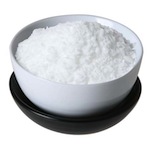
Stearic Acid
INCI Name: Palm Stearic Acid
Is It Natural:Yes
Why We Use It:Stearic acid is a skin softening agent and may improve the function of other moisturizers on the skin.
How It's Made:Our stearic acid is made from palm oil. Palm oil is treated with water at very high pressure and temperature. The stearic acid dissolves in the water and the excess water is then evaporated yielding stearic acid.
Potential Sensitivities:Topical use of stearic acid is safe for most people when diluted properly, but adverse reactions can occur. Disclaimer
Common Name:
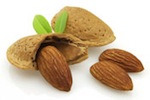
Sweet Almond Oil (Saponified)
INCI Name: Prunus Amygdalus Dulcis Oil
Is It Natural:Yes
Why We Use It:Sweet almond oil has a high level (25-29%) of the skin nourishing omega 6 version of the essential fatty acid, Linoleic Acid. The unsaturated (87-95%) triglycerides provide moisture with a refined and elegant feel.
How It's Made:Produced by pressing the dried kernels or nuts of the sweet almond tree.
Potential Sensitivities:Sweet almond oil is very well tolerated by the skin, but it's not fit for people allergic to nuts and oils extracted from them. Disclaimer
Common Name:
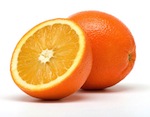
Sweet Orange Essential Oil
INCI Name: Citrus Aurantium Dulcis Peel Oil
Is It Natural:Yes
Why We Use It:While sweet orange essential oil offers little benefit to the skin, it has a wonderful citrus aroma.
How It's Made:Our sweet orange oil is pressed from the peels of oranges.
Potential Sensitivities:Topical use of sweet orange essential oil is safe for most people when diluted properly, but adverse reactions can occur. Disclaimer
Common Name:
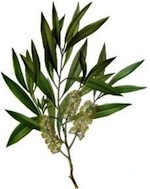
Tea Tree Essential Oil
INCI Name: Melaleuca Alternifolia Leaf Oil
Is It Natural:Yes
Why We Use It:Tea tree oil has many benefits. Tea tree oil is a natural anitimicrobial, antiviral, and antifungal. It's also really good for problem skin and combination skin.
How It's Made:Our tea tree oil is steam distilled.
Potential Sensitivities:Topical use of tea tree essential oil is safe for most people when diluted properly, but adverse reactions can occur. Disclaimer
Common Name:
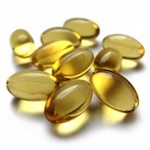
Vitamin E
INCI Name: Tocopherol
Is It Natural:Yes
Why We Use It:While vitamin E does have some benefits for your skin, that's not the primary reason we use it. Vitamin E has some amazing antioxidant properties, which helps prevent other ingredients from breaking down over time.
How It's Made:Vitamin E is produced by cold-pressing various vegetable oil seeds.
Potential Sensitivities:Topical use of vitamin E is safe for most people, but adverse reactions can occur. Disclaimer
Common Name:
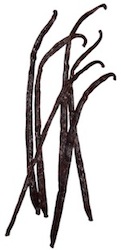
Vanilla Infused Coconut Oil
INCI Name: Vanilla Planifolia Infused Caprylic/capric Triglyceride
Is It Natural:Yes
Why We Use It:We use this type of vanilla because it is the purest and most pleasing form of vanilla flavoring we've been able to come up with for our lip balm.
How It's Made:This oil is created by steeping real vanilla beans in fractionated coconut oil.
Potential Sensitivities:Topical use of vanilla infused coconut oil is safe for most people, but adverse reactions can occur. Disclaimer
Common Name:
Xanthan Gum
INCI Name:
Is It Natural:Yes
Why We Use It:Xanthan gum helps stabilize emulsions. This means when oil-based ingredients and water-based ingredients are blended together, the xanthan gum helps keep them from separating over time.
How It's Made:Xanthan gum is produced by the fermentation of glucose, sucrose, or lactose by the Xanthomonas campestris bacterium.
Potential Sensitivities:Topical use of xanthan gum is safe for most people, but adverse reactions can occur. Disclaimer
Common Name:
Ylang Ylang Essential Oil
INCI Name: Cananga Odorata Flower Oil
Is It Natural:Yes
Why We Use It:Ylang ylang has a balancing effect on the skin, so it's especially good for combination and problem skin. It smells great, too!
How It's Made:Our ylang ylang oil is steam distilled from the flowers of the plant.
Potential Sensitivities:Topical use of ylang ylang essential oil is safe for most people when diluted properly, but adverse reactions can occur. Disclaimer